- Liittynyt
- 10.02.2018
- Viestejä
- 460
Saattas lentäjät palata takaisin sinkkiarkussa tai tuhkauurnassa...
Lennonjohdon ohjeiden mukaan lentämisen takia?

Follow along with the video below to see how to install our site as a web app on your home screen.
Huomio: This feature may not be available in some browsers.
TechBBS:n politiikka- ja yhteiskunta-alue (LUE ENSIN!)
Politiikka- ja yhteiskunta-alue on TechBBS-keskustelufoorumilla ala-osio, joka on tarkoitettu poliittisten ja yhteiskunnallisten aiheiden sekä niiden ilmiöiden ja haasteiden käsittelyyn.
Ohjeistus, säännöt ja rangaistukset koskevat vain tätä aluetta, muilla alueilla on käytössä TechBBS-foorumin tavalliset säännöt.
Ylläpito valvoo, ohjeistaa ja moderoi keskustelua, mutta ensisijaisesti alueen keskustelijoiden pitäisi pyrkiä aktiivisesti ylläpitämään asiallista keskustelua ja myös selvittämään mahdollisesti syntyviä erimielisyyksiä ilman ylläpidon puuttumista keskusteluun.
Saattas lentäjät palata takaisin sinkkiarkussa tai tuhkauurnassa...

Ketähän tässä nyt yritetään turhaan vakuutella ja miksi. Jokainen lentoliikenteestä jotain ymmärtävä tietää ettei lentokoneisiin tankata niin paljoa polttoainetta että tuollaisia "pieniä" koukkausia tehtäisiin kesken lennon. Reitti on ollut tiedossa jo ilmaan lähtiessä.Euroopan hybridiosaamiskeskuksen verkoston johtaja Jukka Savolainen toteaa Iltalehdelle, että koneen erikoisempaan lentoreittiin voi olla olemassa tavanomainen kaupallinen syy.
– Entä jos se oli tyhjänä menossa Murmanskiin ja kesken matkan tuli joku hyvä tarjous, jolloin se käänsi kurssia, hän sanoo.
Ketähän tässä nyt yritetään turhaan vakuutella ja miksi. Jokainen lentoliikenteestä jotain ymmärtävä tietää ettei lentokoneisiin tankata niin paljoa polttoainetta että tuollaisia "pieniä" koukkausia tehtäisiin kesken lennon. Reitti on ollut tiedossa jo ilmaan lähtiessä.
Ilmavoimat Suomen yli liikkuneesta venäläiskoneesta: ”Noudatti lentosuunnitelmaa” (iltalehti.fi)
Ketähän tässä nyt yritetään turhaan vakuutella ja miksi. Jokainen lentoliikenteestä jotain ymmärtävä tietää ettei lentokoneisiin tankata niin paljoa polttoainetta että tuollaisia "pieniä" koukkausia tehtäisiin kesken lennon. Reitti on ollut tiedossa jo ilmaan lähtiessä.
Oikeasti, eiköpä siellä PV:n kulisseissa ole sutinaa, vissiin on "Hornetsitkin" olleet "naapuria" (kammottava suomettumisen aikainen sana) saattelemassa, ainakin ihmettelisin jollei...
Putler haluaa jättää jäljen perseilyistänsä.Ilmavoimien tiedotteessa mainittiin siviililento ja lentosuunnitelma niin moneen kertaan, että eiköhän se aika vahvasti antanut ymmärtää ettei asiassa ole Ilmavoimien kannalta mitään ihmeellistä. Väite Horneteista ei tietääkseni perustu mihinkään muuhun kuin siihen, että joku on nähnyt Hornetin ja jollain logiikalla yhdistänyt sen tapaukseen.
Jos joku haluaa jostain syystä vakoilla Suomea siviilikoneella, niin minkä ihmeen takia se tehtäisiin mahdollisimman näyttävän koukkauksen kera? Suomen yli lentää joka päivä lukemattomia siviilikoneita, myös venäläisiä.
Ilmailufoorumilla on kyllä keksitty tukku syitä, miksi olisi lennetty kuten on. Todennäköisenä syynä jokin tekninen murhe, yhtiöllä kun on Leipzigissa huolto. Esim. lentopintaa 280 selittäisi autopilotin puuttuminen. 280:n yläpuolella sen kerrotaan olevan pakollinen:Juuri näin. Matkan aikana syntynyt diversio ei kaiken lisäksi millään selitä lentäjien valitsemaa lentopinnan laskua 280:n, joka vaikuttaa todella epätaloudelliselle ja entistä enemmän vahvistaa teon suunitelmallisuuden. Noin matalaa pintaa varten on täytynyt tankata reippaasti jotta päästään Saksaan saakka.

 www.flightforum.fi


Ilmailufoorumilla on kyllä keksitty tukku syitä, miksi olisi lennetty kuten on. Todennäköisenä syynä jokin tekninen murhe, yhtiöllä kun on Leipzigissa huolto. Esim. lentopintaa 280 selittäisi autopilotin puuttuminen. 280:n yläpuolella sen kerrotaan olevan pakollinen:
Venäläiskoneen erikoinen reitinvalinta
Mahtaisiko jostain löytyä selitys sunnuntaiselle venäläiskoneen reitille, Kone lähti Moskovasta ja laskeutui Leipzigiin, mutta sen valitsema reitti reitti..."Suomen ylihän noita ko. yhtiön koneita lentää hyvinkin usein"

tuo huoltoon diversointi on ollut vaihtoehtona jo maassa ollessa ja tankkausta suunniteltaessa.
Näkemättä alkuperäistä lentosuunnitelmaa, voin sanoa ettei ole ollut. Koska jos kone on ollut alunperin matkalla rapakon yli, kuten todennäköistä on (CVG eli Cincinnati oli todennäköinen kohde alunperin), niin polttoainetta on ollut vaikka kuinka ylimääräistä lentää Pohjois-Venäjältä matalahkolla Saksaan. Ja sitäpaitsi kulutus FL340 vs FL280 ei lisäänny mitenkään dramaattisestI kun kyse on parin tunnin lentomatkasta tuolla eri korkeudella.
RVSM-vaatimuksiin autopilotti on vain yksi monista, jos mahdollisen vikatilanteen syytä mietitään. Ja jostain FlightRadarin datasta ei voi yhtään päätellä että onko lennetty autopilotilla vai ei - kyllä se korkeus käsinkin lentäen pysyy stabiilina, eikä autopilottikaan aja sentilleen samaa korkeutta. Tai sitten on ihan tarkoituksella pitänyt tiputtaa korkeus alemmas jotta kulutus kasvaa sen verran, että kone on alle suurimman sallitun laskupainon Saksassa.
(nämä kommentit siis oletuksella että kone pyysi reitin muutosta ilmassa, kuten vähän vaikuttaisi kun kaikkia yksityiskohtia katsoo)
Selvästi tuo Savolainen ei selvästi tiedä siviili-ilmailusta hölkäsen pöläystä, ja huvittavaa seurata kun nämä ns. asiantuntijat ihan itse omilla mörköjen näkemisellä joka puolelta ovat tehneet tästä triviaalista lennosta ison haloon.
Siviilikoneen normaali reitin muutos ja näitä tapahtuu joka päivä. Jos tämä olisi ollut joku muu kuin venäläisten omistama firma ja Twitterissä joku liipaisinsormiherkkä ei olisi vetänyt omia hätäisiä johtopäätöksiä tietämättä siviilipuolen ilmailuoperaatioista mitään, niin kukaan ei edes puhuisi tästä.
Ylen erään uutisen mukaan kone oli matkalla Moskovasta Murmanskiin.

YLE:lle joku lentäjä kommentoi ihan samaa. Kone todennäköisesti tankattu Atlantin ylitystä ajatellen.Näkemättä alkuperäistä lentosuunnitelmaa, voisin arvata ettei ole ollut. Oma valistunut veikkaus, että kone on ollut alunperin matkalla rapakon yli, kuten todennäköistä on (CVG eli Cincinnati oli todennäköinen kohde alunperin), niin polttoainetta on ollut vaikka kuinka ylimääräistä lentää Pohjois-Venäjältä matalahkolla Saksaan. Kulutus FL340 vs FL280 ei lisäänny mitenkään dramaattisestI kun kyse on parin tunnin lentomatkasta tuolla eri korkeudella.
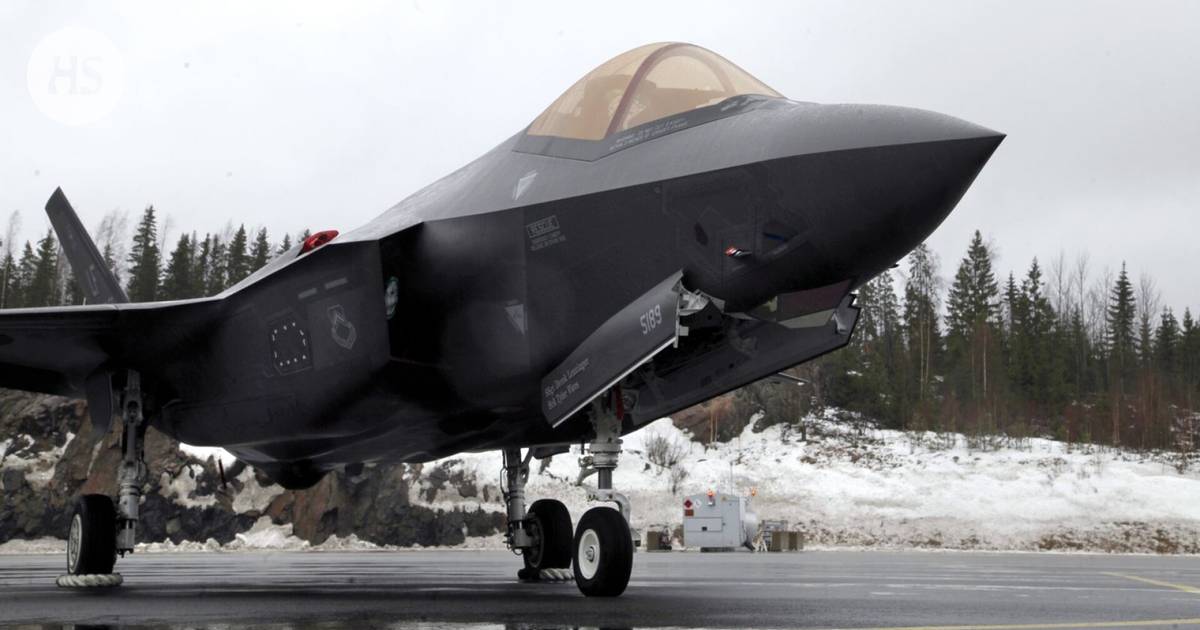
 www.hs.fi

Turvallisuuspolitiikka | Venäjällä rajujakin reaktioita Suomen Nato-keskusteluun – ”Suomen uusi linja ei ole lisännyt turvallisuuttanne”
”Olisi paras varoittaa naapureita, mikä heitä odottaa, jos he valitsevat väärän käyttäytymislinjan”, kirjoittaa puolustusanalyytikko Ruslan Puhov.
Venäjällä rajujakin reaktioita Suomen Nato-keskusteluun – ”Suomen uusi linja ei ole lisännyt turvallisuuttanne”
”Olisi paras varoittaa naapureita, mikä heitä odottaa, jos he valitsevat väärän käyttäytymislinjan”, kirjoittaa puolustusanalyytikko Ruslan Puhov.
Nämähän ovat ihan suoria uhkauksia ja joidenkin mielestä meillä on hyvät suhteet Venäjään
Tässä olen kyllä Nybergin kanssa samaa mieltä. Suomeen ei varsinaisesti kohdistu mitään uutta erityistä suoraa uhkaa viralliselta taholta _vielä_. Vain se normaali, mikä täällä kyllä on viimeiset sata vuotta tiedostettu."Entisen Suomen Moskovan-suurlähettilään René Nybergin mielestä Venäjä ei tällä hetkellä lähetä Suomelle mitään erityistä viestiä. Venäjän mediassa esitetyt lausunnot pitää hänestä suhteuttaa."
Sinisilmäisiä lausuntoja annetaan. Eiköhän tässä ole menossa kansalle syötettävä propaganda-vaihe, jonka myötä "virallinen" linja muuttuu kunhan hetken aikaan ajatusten on annettu kansan sisällä muhia. Helpompi oikeuttaa myös virallisen linjauksen muutos kun kansa samaa mieltä aiheesta.
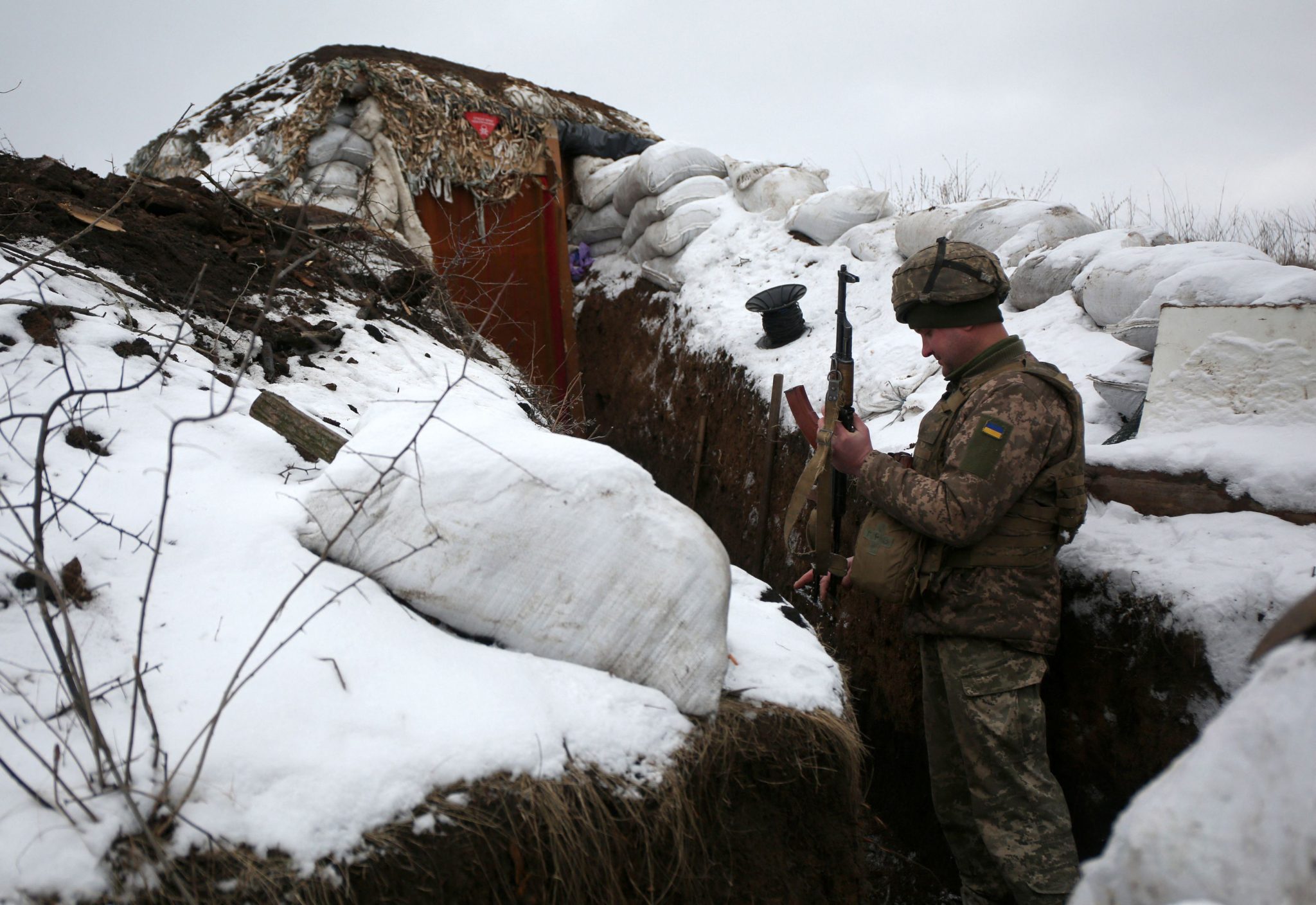
 www.verkkouutiset.fi

 tass-ru.translate.goog

Tosin toi on vähän tulkinnanvarainen asia, että mikä on "virallinen taho" ja mikä ei...Tässä olen kyllä Nybergin kanssa samaa mieltä. Suomeen ei varsinaisesti kohdistu mitään uutta erityistä suoraa uhkaa viralliselta taholta _vielä_. Vain se normaali, mikä täällä kyllä on viimeiset sata vuotta tiedostettu.

/img-s3.ilcdn.fi/fccffbe55e6d6296a53f24aaa18debb6ae7e8822e3feb9900aaecadaea25848b.jpg)
 www.iltalehti.fi
Hah, viimeeksi tänään arvelin toisaalla, että varmaan on Venäjän väkiluku pudonnut miljoonalla sitten edellisten tilastojen...Vain reilu miljoona vähemmän jengiä kuin vuosi sitten. Eihän tässä tarvitse odotella kuin 140 vuotta enää.
Venäjän väkiluku putosi viime vuonna miljoonalla
Presidentti toivoo lisää vauvoja, mutta hallinto ei politiikallaan saa suuntaa muutettua.
Siis mitä!? Putlerhan on kiusannut napureitaan jo 20 vuotta. Nytkö vasta huomaat sen? Suomettumisen asteesi on melko korkea.Edit: Tähän tämä hulluus on edennyt, enpä olisi uskonut tuota kirjoittavani vielä joku vuosi sitten. Jotain tapahtui, Toveri Putler muuttui naapurikiusaajaksi...


 tass.com

Tuo on taas eräänlainen koepallo Suomelle.
Ihan sama mitä tuohon vastaa, niin Venäjä voi tulkita sen uhkaksi, etenkin jos se palvelee mitään tarkoitusperää. Samalla näkevät, että onko Suomella palleja sanoa, että tehdään niin kuin parhaaksi (itsellemme) nähdään.
Voisko vaan kommentoida, että vastataan joskus ensivuonna...
USA ja Natokin olisivat voineet ottaa tuollaisen vähemmän kiireellisen asenteen noihin Putinin "vaatimuksiin"... Vähintäänkin olisivat voineet odottaa, että Ukrainan pellot sulaa.Marinhan voisi nyt kommentoida takaisin että tällä hallituskaudella ei ole tarkoitus käydä läpi mitään turvallisuuspoliittisia ratkaisuja, että jätetään seuraavan hallituksen ongelmaksi.

Kai Keski-Euroopan kevättäkin voi vielä odotella. Menee sekin aikaikkuna kiinni ja ehtii paremmin valmistelemaan kaasutoimituksia muualta samalla kun hitsaa Nordstreamin venttiilit kiinni Saksassa.USA ja Natokin olisivat voineet ottaa tuollaisen vähemmän kiireellisen asenteen noihin Putinin "vaatimuksiin"... Vähintäänkin olisivat voineet odottaa, että Ukrainan pellot sulaa.
Mietin, ja tarkistin. Ei pidä paikkaansa, vaan samanlainen uutinen löytyy jo eiliseltä päivältä - ensimmäinen vastaavanlainen viesti lähti Itävaltaan, toinen Kreikkaan. Tänään sitten kolmas, Suomen suuntaan. Kaikissa uutisissa viitteenä Lavrovin joku puhe 30.1, jossa kerrotaan näistä viesteistä NATO:lle ja ETYJ-jäsenille. Myöhemmin tänään/viikolla tullee siis samanlainen kaikille muillekin, olettaisin.Voi myös miettiä mikä viesti sisältyy siihen, että TASS uutisoi ainoastaan Suomelle lähetetystä kirjeestä jos näitä on nyt lähetetty kaikille ETYJ maille.
Olet oikeassa. Sananvalinta esim. Itävallan kirjeen uutisessa on kyllä toisenlainen. Turvatakuista puhutaan Suomen kohdalla. Herää kysymys minkälaisia takuita Suomelle kirjeessä tarkalleenottaen ehdotetaan? NATO option hylkäämistä, kahdenvälistä hyökkäämättömyyssopimusta (jonka Venäjä heittää roskikseen kun niin haluaa)?Mietin, ja tarkistin. Ei pidä paikkaansa, vaan samanlainen uutinen löytyy jo eiliseltä päivältä - ensimmäinen vastaavanlainen viesti lähti Itävaltaan, toinen Kreikkaan. Tänään sitten kolmas, Suomen suuntaan. Kaikissa uutisissa viitteenä Lavrovin joku puhe 30.1, jossa kerrotaan näistä viesteistä NATO:lle ja ETYJ-jäsenille. Myöhemmin tänään/viikolla tullee siis samanlainen kaikille muillekin, olettaisin.
Eli siinä mielessä hieman tarkoituksenhakuinen uutisointi Suomen mediassa.
JASSM-ER -risteilyohjukset tulee mieleen......Olet oikeassa. Sananvalinta esim. Itävallan kirjeen uutisessa on kyllä toisenlainen. Turvatakuista puhutaan Suomen kohdalla. Herää kysymys minkälaisia takuita Suomelle kirjeessä tarkalleenottaen ehdotetaan? NATO option hylkäämistä, kahdenvälistä hyökkäämättömyyssopimusta (jonka Venäjä heittää roskikseen kun niin haluaa)?
Tuo tai vaihtoehtona voi tietenkin tarjota rajan siirtämistä että ohjukset eivät yllä, sanotaan nyt vaikkapa Pietariin.JASSM-ER -risteilyohjukset tulee mieleen......
Tämä on ihan tarkoituksellinen pitkään jatkunut taktiikka. Venäjä ei halua neuvotella minkään yhteenliittymän kanssa (EU, NATO, edes ETYJ vaikka on sen jäsen), vaan hoitaa asioita jokaisen maan kanssa kahdenkesken. Hajoita ja hallitse- perusoppeja.Nerokasta putlerilta laittaa kaikille postia. Tietää ettei eurooppa osaa antaa mitään yhtenäistä vastausta ikinä mihinkään. Jospa euvostoliitoista haaveilevat tajuaisivat sen mahdottomuuden viimein.

Kirjeen sisältö kokonaisuudessaan:Venäjän lähetystö on toimittanut Suomen ulkoministeriöön kirjeen Lavrovilta koskien Venäjän 'turvatakuita' ja odottaa vastausta?
Embassy delivers Lavrov’s message on security guarantees to Finnish Foreign Ministry
At the moment, the reaction from the Finnish side is expected
The Russian Embassy has delivered a message to the Finnish Foreign Ministry from Foreign Minister Sergey Lavrov regarding security guarantees, the diplomatic mission reported on Tuesday.
"The embassy has handed over the respective letter to the foreign minister of Finland. We are waiting for the reaction from the Finnish side," it said.

Kirjeen sisältö kokonaisuudessaan:
Pastettuna spoileriin:
1 February 2022 20:56
Text of the Minister of Foreign Affairs of Russia Mr. Sergey Lavrov`s written message on Indivisibility of Security addressed to the Heads of Foreign / External Affairs Ministers / Secretaries of the US, Canada and several European countries
134-01-02-2022
You are well aware that Russia is seriously concerned about increasing politico-military tensions in the immediate vicinity of its western borders. With a view to avoiding any further escalation, the Russian side presented on 15 December 2021 the drafts of two interconnected international legal documents – a Treaty between the Russian Federation and the United States of America on Security Guarantees and an Agreement on Measures to Ensure the Security of the Russian Federation and Member States of the North Atlantic Treaty Organization.
The U.S. and NATO responses to our proposals received on 26 January 2022 demonstrate serious differences in the understanding of the principle of equal and indivisible security that is fundamental to the entire European security architecture. We believe it is necessary to immediately clarify this issue, as it will determine the prospects for future dialogue.
The Charter for European Security signed at the OSCE Summit in Istanbul in November 1999 formulated key rights and obligations of the OSCE participating States with respect to indivisibility of security. It underscored the right of each participating State to be free to choose or change its security arrangements including treaties of alliances, as they evolve, as well as the right of each State to neutrality. The same paragraph of the Charter directly conditions those rights on the obligation of each State not to strengthen its security at the expense of the security of other States. It says further that no State, group of States or Organization can have any pre-eminent responsibility for maintaining peace and stability in the OSCE area or can consider any part of the OSCE area as its sphere of influence.
At the OSCE Summit in Astana in December 2010, the leaders of our nations approved a declaration that reaffirmed this comprehensive package of interconnected obligations.
However, the Western countries continue to pick up out of it only those elements that suit them, and namely – the right of States to be free to choose alliances for ensuring exclusively their own security. The words ‘as they evolve’ are shamefacedly omitted, because this provision was also an integral part of the understanding of ‘indivisible security’, and specifically in the sense that military alliances must abandon their initial deterrence function and integrate into the all-European architecture based on collective approaches, rather than as narrow groups. The principle of indivisible security is selectively interpreted as a justification for the ongoing course toward irresponsible expansion of NATO.
It is revealing that Western representatives, while expressing their readiness to engage in dialogue on the European security architecture, deliberately avoid making reference to the Charter for European Security and the Astana Declaration in their comments. They mention only earlier OSCE documents, particularly often – the 1990 Charter of Paris for a New Europe that does not contain the increasingly ‘inconvenient’ obligation not to strengthen own security at the expense of the security of other States. Western capitals also attempt to ignore a key OSCE document – the 1994 Code of Conduct on Politico-Military Aspects of Security, which clearly says that the States will choose their security arrangements, including membership in alliances, ‘bearing in mind the legitimate security concerns of other States’.
It will not work that way. The very essence of the agreements on indivisible security is that either there is security for all or there is no security for anyone. The Istanbul Charter provides that each OSCE participating State has equal right to security, and not only NATO countries that interpret this right as an exceptional privilege of membership in the ‘exclusive’ North Atlantic club.
I will not comment on other NATO guidelines and actions that reflect the aspiration of the ‘defensive’ bloc to military supremacy and the use of force bypassing the prerogatives of the U.N. Security Council. Suffice it to say that such actions contravene the fundamental all-European obligations including the commitments under the aforementioned documents to maintain only such military capabilities that are commensurate with individual or collective security needs, taking into account the obligations under international law, as well as the legitimate security interests of other States.
Discussing the present situation in Europe, our colleagues from the United States, NATO and the European Union make constant appeals for ‘de-escalation’ and call on Russia to ‘choose a path of diplomacy’. We want to remind: we have been moving along that path for decades. The key milestones, such as the documents of the Istanbul and Astana summits, are exactly the direct result of diplomacy. The very fact that the West now tries to revise to its benefit these diplomatic achievements of the leaders of all OSCE countries raises serious concern. The situation demands a frank clarification of positions.
We want to receive a clear answer to the question how our partners understand their obligation not to strengthen their own security at the expense of the security of other States on the basis of the commitment to the principle of indivisible security. How specifically does your Government intend to fulfil this obligation in practical terms in the current circumstances? If you renege on this obligation, we ask you to clearly state that.
Without having full clarity on this key issue related to the interconnection of rights and obligations approved at the highest level, it is impossible to ensure the balance of interests embodied in the instruments of the Istanbul and Astana summits. Your response will help to better understand the extent of the ability of our partners to remain faithful to their commitments, as well as the prospects for common progress toward decreasing tensions and strengthening European security.
We look forward to your prompt reply. It should not take long as the point is to clarify the understanding on the basis of which Your President/Prime Minister signed the corresponding obligations.
We also expect that the response to this letter will be given in the national capacity, as the aforementioned commitments were undertaken by each of our States individually and not within any bloc or in the name thereof.
Mahtavaa kun Venäjä pelkää meitä noin paljon. Mehän voitaisiin alkaa kerätä suojelumaksua.

Ei näemmä Venäjä ymmärrä - ainakaan julkisessa tekstissään -, että se on ainut taho, joka rikkoo kyseisiä sopimuksia mm. hyökkäämällä Ukrainaan (Krim & Itä-Ukraina). Nato ei voi olla ongelma, koska se on puolustusliitto, joka ei täten uhkaa ketään, joka ei aio hyökätä muualle.
Nerokasta putlerilta laittaa kaikille postia. Tietää ettei eurooppa osaa antaa mitään yhtenäistä vastausta ikinä mihinkään. Jospa euvostoliitoista haaveilevat tajuaisivat sen mahdottomuuden viimein.
Väitettyt USA:n ja NATO:n vastaukset kirjeeseen RIA Novosti sivuilla.Kirjeen sisältö kokonaisuudessaan:
Pastettuna spoileriin:
1 February 2022 20:56
Text of the Minister of Foreign Affairs of Russia Mr. Sergey Lavrov`s written message on Indivisibility of Security addressed to the Heads of Foreign / External Affairs Ministers / Secretaries of the US, Canada and several European countries
134-01-02-2022
You are well aware that Russia is seriously concerned about increasing politico-military tensions in the immediate vicinity of its western borders. With a view to avoiding any further escalation, the Russian side presented on 15 December 2021 the drafts of two interconnected international legal documents – a Treaty between the Russian Federation and the United States of America on Security Guarantees and an Agreement on Measures to Ensure the Security of the Russian Federation and Member States of the North Atlantic Treaty Organization.
The U.S. and NATO responses to our proposals received on 26 January 2022 demonstrate serious differences in the understanding of the principle of equal and indivisible security that is fundamental to the entire European security architecture. We believe it is necessary to immediately clarify this issue, as it will determine the prospects for future dialogue.
The Charter for European Security signed at the OSCE Summit in Istanbul in November 1999 formulated key rights and obligations of the OSCE participating States with respect to indivisibility of security. It underscored the right of each participating State to be free to choose or change its security arrangements including treaties of alliances, as they evolve, as well as the right of each State to neutrality. The same paragraph of the Charter directly conditions those rights on the obligation of each State not to strengthen its security at the expense of the security of other States. It says further that no State, group of States or Organization can have any pre-eminent responsibility for maintaining peace and stability in the OSCE area or can consider any part of the OSCE area as its sphere of influence.
At the OSCE Summit in Astana in December 2010, the leaders of our nations approved a declaration that reaffirmed this comprehensive package of interconnected obligations.
However, the Western countries continue to pick up out of it only those elements that suit them, and namely – the right of States to be free to choose alliances for ensuring exclusively their own security. The words ‘as they evolve’ are shamefacedly omitted, because this provision was also an integral part of the understanding of ‘indivisible security’, and specifically in the sense that military alliances must abandon their initial deterrence function and integrate into the all-European architecture based on collective approaches, rather than as narrow groups. The principle of indivisible security is selectively interpreted as a justification for the ongoing course toward irresponsible expansion of NATO.
It is revealing that Western representatives, while expressing their readiness to engage in dialogue on the European security architecture, deliberately avoid making reference to the Charter for European Security and the Astana Declaration in their comments. They mention only earlier OSCE documents, particularly often – the 1990 Charter of Paris for a New Europe that does not contain the increasingly ‘inconvenient’ obligation not to strengthen own security at the expense of the security of other States. Western capitals also attempt to ignore a key OSCE document – the 1994 Code of Conduct on Politico-Military Aspects of Security, which clearly says that the States will choose their security arrangements, including membership in alliances, ‘bearing in mind the legitimate security concerns of other States’.
It will not work that way. The very essence of the agreements on indivisible security is that either there is security for all or there is no security for anyone. The Istanbul Charter provides that each OSCE participating State has equal right to security, and not only NATO countries that interpret this right as an exceptional privilege of membership in the ‘exclusive’ North Atlantic club.
I will not comment on other NATO guidelines and actions that reflect the aspiration of the ‘defensive’ bloc to military supremacy and the use of force bypassing the prerogatives of the U.N. Security Council. Suffice it to say that such actions contravene the fundamental all-European obligations including the commitments under the aforementioned documents to maintain only such military capabilities that are commensurate with individual or collective security needs, taking into account the obligations under international law, as well as the legitimate security interests of other States.
Discussing the present situation in Europe, our colleagues from the United States, NATO and the European Union make constant appeals for ‘de-escalation’ and call on Russia to ‘choose a path of diplomacy’. We want to remind: we have been moving along that path for decades. The key milestones, such as the documents of the Istanbul and Astana summits, are exactly the direct result of diplomacy. The very fact that the West now tries to revise to its benefit these diplomatic achievements of the leaders of all OSCE countries raises serious concern. The situation demands a frank clarification of positions.
We want to receive a clear answer to the question how our partners understand their obligation not to strengthen their own security at the expense of the security of other States on the basis of the commitment to the principle of indivisible security. How specifically does your Government intend to fulfil this obligation in practical terms in the current circumstances? If you renege on this obligation, we ask you to clearly state that.
Without having full clarity on this key issue related to the interconnection of rights and obligations approved at the highest level, it is impossible to ensure the balance of interests embodied in the instruments of the Istanbul and Astana summits. Your response will help to better understand the extent of the ability of our partners to remain faithful to their commitments, as well as the prospects for common progress toward decreasing tensions and strengthening European security.
We look forward to your prompt reply. It should not take long as the point is to clarify the understanding on the basis of which Your President/Prime Minister signed the corresponding obligations.
We also expect that the response to this letter will be given in the national capacity, as the aforementioned commitments were undertaken by each of our States individually and not within any bloc or in the name thereof.
 ria.ru
 www-kommersant-ru.translate.goog
Kirjeen sisältö kokonaisuudessaan:
Pastettuna spoileriin:
1 February 2022 20:56
Text of the Minister of Foreign Affairs of Russia Mr. Sergey Lavrov`s written message on Indivisibility of Security addressed to the Heads of Foreign / External Affairs Ministers / Secretaries of the US, Canada and several European countries
134-01-02-2022
You are well aware that Russia is seriously concerned about increasing politico-military tensions in the immediate vicinity of its western borders. With a view to avoiding any further escalation, the Russian side presented on 15 December 2021 the drafts of two interconnected international legal documents – a Treaty between the Russian Federation and the United States of America on Security Guarantees and an Agreement on Measures to Ensure the Security of the Russian Federation and Member States of the North Atlantic Treaty Organization.
The U.S. and NATO responses to our proposals received on 26 January 2022 demonstrate serious differences in the understanding of the principle of equal and indivisible security that is fundamental to the entire European security architecture. We believe it is necessary to immediately clarify this issue, as it will determine the prospects for future dialogue.
The Charter for European Security signed at the OSCE Summit in Istanbul in November 1999 formulated key rights and obligations of the OSCE participating States with respect to indivisibility of security. It underscored the right of each participating State to be free to choose or change its security arrangements including treaties of alliances, as they evolve, as well as the right of each State to neutrality. The same paragraph of the Charter directly conditions those rights on the obligation of each State not to strengthen its security at the expense of the security of other States. It says further that no State, group of States or Organization can have any pre-eminent responsibility for maintaining peace and stability in the OSCE area or can consider any part of the OSCE area as its sphere of influence.
At the OSCE Summit in Astana in December 2010, the leaders of our nations approved a declaration that reaffirmed this comprehensive package of interconnected obligations.
However, the Western countries continue to pick up out of it only those elements that suit them, and namely – the right of States to be free to choose alliances for ensuring exclusively their own security. The words ‘as they evolve’ are shamefacedly omitted, because this provision was also an integral part of the understanding of ‘indivisible security’, and specifically in the sense that military alliances must abandon their initial deterrence function and integrate into the all-European architecture based on collective approaches, rather than as narrow groups. The principle of indivisible security is selectively interpreted as a justification for the ongoing course toward irresponsible expansion of NATO.
It is revealing that Western representatives, while expressing their readiness to engage in dialogue on the European security architecture, deliberately avoid making reference to the Charter for European Security and the Astana Declaration in their comments. They mention only earlier OSCE documents, particularly often – the 1990 Charter of Paris for a New Europe that does not contain the increasingly ‘inconvenient’ obligation not to strengthen own security at the expense of the security of other States. Western capitals also attempt to ignore a key OSCE document – the 1994 Code of Conduct on Politico-Military Aspects of Security, which clearly says that the States will choose their security arrangements, including membership in alliances, ‘bearing in mind the legitimate security concerns of other States’.
It will not work that way. The very essence of the agreements on indivisible security is that either there is security for all or there is no security for anyone. The Istanbul Charter provides that each OSCE participating State has equal right to security, and not only NATO countries that interpret this right as an exceptional privilege of membership in the ‘exclusive’ North Atlantic club.
I will not comment on other NATO guidelines and actions that reflect the aspiration of the ‘defensive’ bloc to military supremacy and the use of force bypassing the prerogatives of the U.N. Security Council. Suffice it to say that such actions contravene the fundamental all-European obligations including the commitments under the aforementioned documents to maintain only such military capabilities that are commensurate with individual or collective security needs, taking into account the obligations under international law, as well as the legitimate security interests of other States.
Discussing the present situation in Europe, our colleagues from the United States, NATO and the European Union make constant appeals for ‘de-escalation’ and call on Russia to ‘choose a path of diplomacy’. We want to remind: we have been moving along that path for decades. The key milestones, such as the documents of the Istanbul and Astana summits, are exactly the direct result of diplomacy. The very fact that the West now tries to revise to its benefit these diplomatic achievements of the leaders of all OSCE countries raises serious concern. The situation demands a frank clarification of positions.
We want to receive a clear answer to the question how our partners understand their obligation not to strengthen their own security at the expense of the security of other States on the basis of the commitment to the principle of indivisible security. How specifically does your Government intend to fulfil this obligation in practical terms in the current circumstances? If you renege on this obligation, we ask you to clearly state that.
Without having full clarity on this key issue related to the interconnection of rights and obligations approved at the highest level, it is impossible to ensure the balance of interests embodied in the instruments of the Istanbul and Astana summits. Your response will help to better understand the extent of the ability of our partners to remain faithful to their commitments, as well as the prospects for common progress toward decreasing tensions and strengthening European security.
We look forward to your prompt reply. It should not take long as the point is to clarify the understanding on the basis of which Your President/Prime Minister signed the corresponding obligations.
We also expect that the response to this letter will be given in the national capacity, as the aforementioned commitments were undertaken by each of our States individually and not within any bloc or in the name thereof.
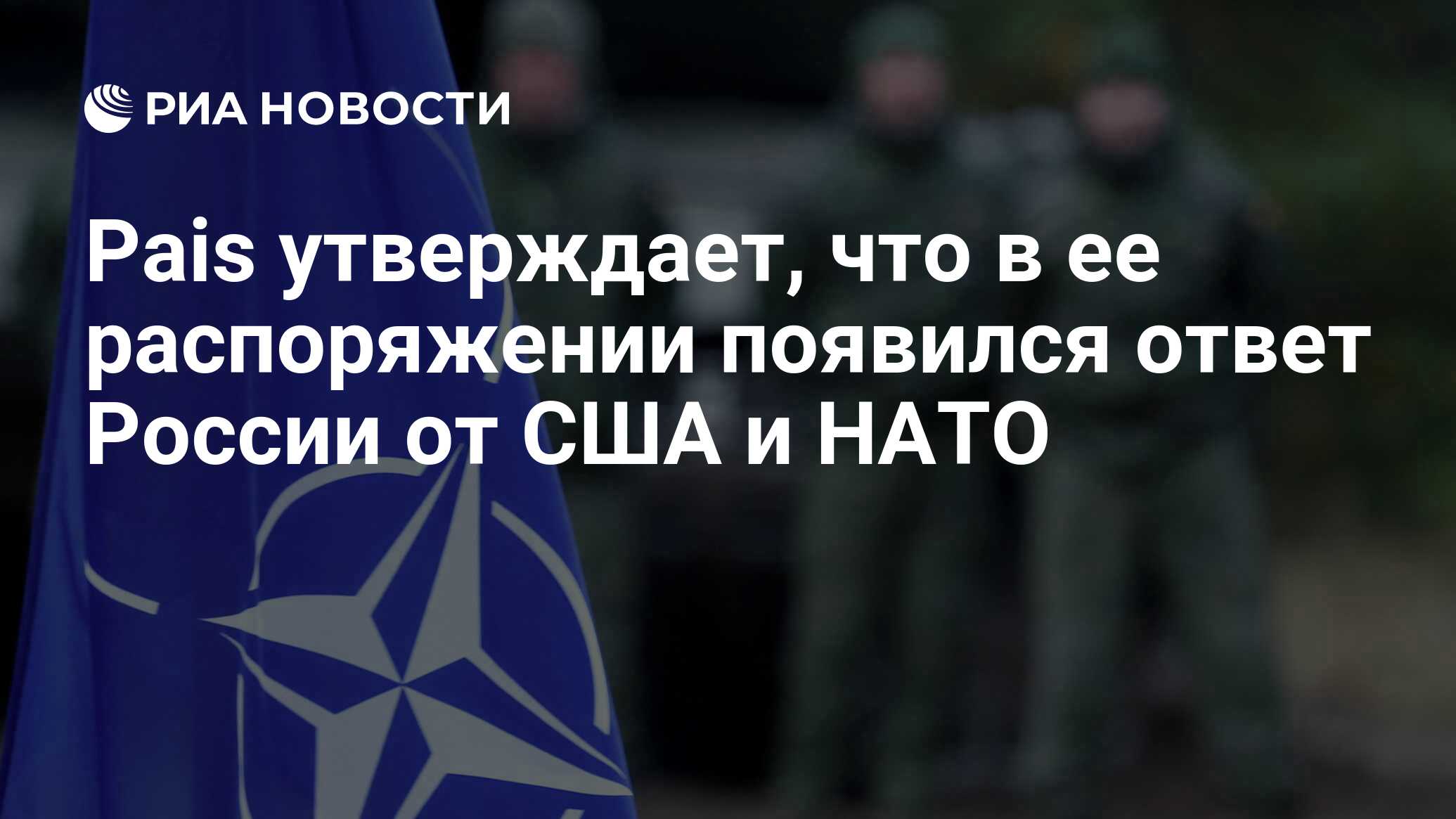
Väitettyt USA:n ja NATO:n vastaukset kirjeeseen RIA Novosti sivuilla.
Pais утверждает, что в ее распоряжении появился ответ России от США и НАТО
Испанская газета Pais утверждает, что в ее распоряжении появился ответ США и НАТО на предложения России по гарантиям безопасности. РИА Новости, 02.02.2022
edit: Venäjän mediassa pääuutinen näyttää olevan että Yhdysvallat ja NATO kieltäytyivät kahdenvälisen turvallisuussopimuksen allekirjoittamisesta. Teatteri jatkuu.

El Pais опубликовала ответы США и НАТО по гарантиям безопасности
Подробнее на сайте
/img-s3.ilcdn.fi/e02b427f0ab95abf71cbead8eaae5537424fe23370fa3a207905c42b018f4e83.jpg) www.iltalehti.fi
www.iltalehti.fi
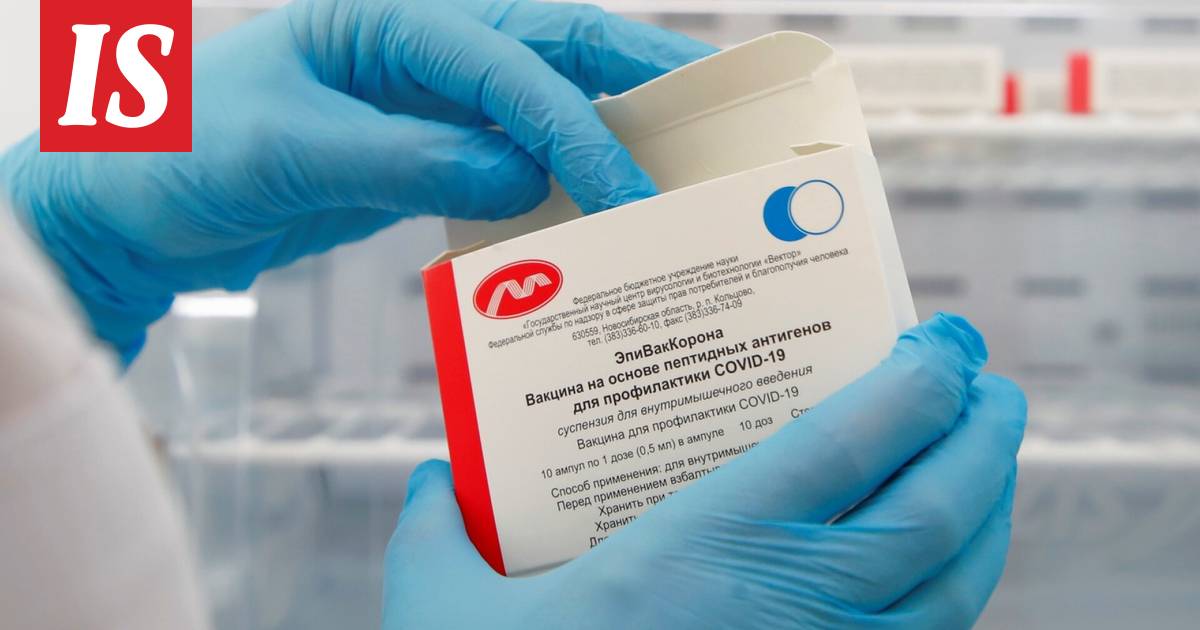
 www.is.fi
 www.is.fi


Käytämme välttämättömiä evästeitä, jotta tämä sivusto toimisi, ja valinnaisia evästeitä käyttökokemuksesi parantamiseksi.
